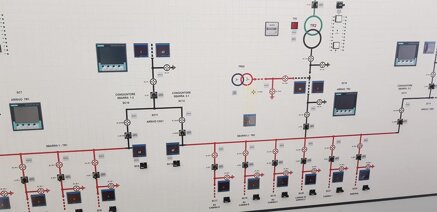
n the maritime industry, the efficient management of power distribution is crucial for the smooth operation of a vessel. A Power Management System (PMS) is an integral component of modern ships, designed to monitor, control, and optimize the power distribution among various systems on board. With the increasing complexity of ship systems and the demand for greater energy efficiency, PMS plays a vital role in ensuring the reliability, safety, and economic operation of the vessel.
Key Capabilities of a Sea Volt Power Management System
The Power Management System is a cornerstone of efficient and safe ship operations. Its capabilities, such as load sharing, automatic synchronization, load shedding, and fuel efficiency optimization, are essential for maintaining the stability and reliability of the ship's power supply. As the maritime industry continues to evolve, the role of PMS will only become more critical, driving innovations that enhance the performance, safety, and sustainability of vessels.
For more information on how SEA VOLT srls can help you implement or upgrade your ship's Power Management System, feel free to contact us. Our team of experts is ready to provide tailored solutions that meet your specific needs.
Load Sharing
- One of the primary functions of a PMS is to manage load sharing between multiple generators on board. The system automatically balances the load among generators, ensuring that each generator operates within its optimal capacity. This not only maximizes fuel efficiency but also prevents overloads and underloads, which can lead to unnecessary wear and tear or even system failures.
Automatic Synchronization
- PMS enables the automatic synchronization of generators with the ship's electrical grid. When a new generator is brought online, the system ensures that its frequency and voltage are matched with the grid before it starts sharing the load. This seamless integration is critical for maintaining power stability and preventing disruptions in the ship's operations.
Load Shedding
- In the event of an overload or a fault in the power system, the PMS can initiate load shedding. This involves automatically disconnecting non-essential loads to prioritize critical systems, ensuring the continuous operation of essential functions such as navigation, communication, and propulsion. Load shedding is a key feature that protects the vessel from power outages and potential damage to electrical equipment.
Redundancy Management
- To enhance the reliability of the power system, PMS is designed with redundancy management capabilities. The system continuously monitors the status of all power generation and distribution components. In case of a failure in one generator, the PMS can automatically switch to a standby generator, maintaining uninterrupted power supply and ensuring the safety of the vessel and its crew.
Fuel Efficiency Optimization
- By optimizing the operation of generators and balancing loads efficiently, a PMS can significantly reduce fuel consumption. The system ensures that generators operate at their most efficient load points, minimizing fuel wastage and reducing operational costs. This capability is especially important in an era where fuel costs are high and environmental regulations are becoming increasingly stringent.
Energy Storage Integration
- Modern PMS systems are often integrated with energy storage solutions, such as batteries or supercapacitors. This integration allows the ship to store excess energy generated during low-demand periods and utilize it during peak demand or in case of generator failure. Energy storage not only enhances the overall efficiency of the power system but also contributes to reducing the ship's carbon footprint by minimizing reliance on fossil fuels.
Remote Monitoring and Control
- With advancements in technology, PMS systems now offer remote monitoring and control capabilities. Ship operators can monitor the status of the power system from a central control room or even from remote locations via secure communication networks. This feature provides greater flexibility in managing the ship's power system and enables prompt response to any issues that may arise.
Integration with Other Ship Systems
- A modern PMS is often integrated with other critical ship systems, such as propulsion control, HVAC, and alarm systems. This integration allows for coordinated operation and improved efficiency across the vessel's systems. For example, during maneuvers that require high power output, the PMS can prioritize power to propulsion systems while managing non-essential loads.